Every stainless steel quote starts with a grade number — 201, 304, 316 — and if you're not from a metallurgy background, those numbers don't mean much on their own. This guide covers what actually matters when you're buying: what the grade affects, and how to choose without overpaying for resistance you don't need.
What "grade" actually controls
Stainless steel grade is mostly a shorthand for how much chromium, nickel and molybdenum is in the alloy. Those elements control two things a buyer cares about: how well the material resists corrosion, and how much it costs. Strength and workability differ less between grades than people assume — for architectural and fabrication work, corrosion resistance is almost always the deciding factor.
The three grades you'll actually be offered
| Grade | Typical use | Corrosion resistance | Relative cost |
|---|---|---|---|
| 201 | Budget interior fittings, some furniture | Lower — not recommended for outdoor or humid use | Lowest |
| 304 | Most indoor railings, kitchen fittings, general fabrication | Good for normal indoor/inland conditions | Standard |
| 316 | Outdoor, coastal, high-humidity or industrial environments | Best — molybdenum content resists chlorides and pitting | Higher |
If someone quotes you a stainless product without naming a grade, ask. It's the single most important spec on the order.
How to decide, in practice
- Indoor railing, staircase, interior fitting: 304 is almost always the right call — it's what most architectural work in Jaipur uses.
- Outdoor railing, balcony, terrace, near a water body: lean towards 316, especially if the installation will see rain, humidity or cleaning chemicals regularly.
- Budget interior fittings where corrosion risk is minimal: 201 can work, but confirm with your fabricator — it's not a substitute for 304 in anything load-bearing or long-term.
A note on finish vs. grade
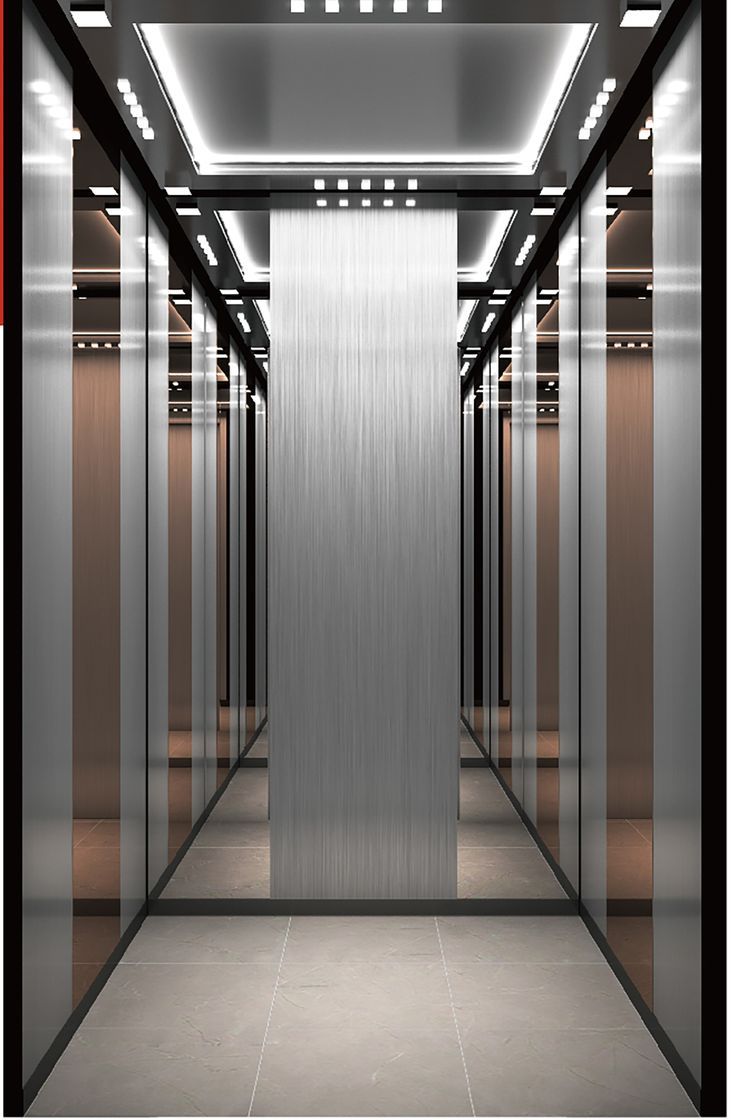
Finish (mirror, hairline/brushed, matte, PVD-coloured) is a separate decision from grade — it's about appearance, not corrosion resistance. Any of the standard grades can be finished multiple ways. Don't assume a mirror finish means better material; ask for the grade separately.
Buying stainless steel in Jaipur
Because grade names are often used loosely in casual conversation, the safest approach when ordering is to confirm the grade in writing on your quote, along with finish and size. At Steel Trust we confirm grade against your project brief before quoting — see our stainless steel sheets, plates & coils and pipes & tubes pages for what we currently trade.
FAQs
Is 316 always better than 304?
Technically yes for corrosion resistance, but it costs more and that resistance is often wasted indoors. Match the grade to the environment, not the other way round.
Can I mix grades in one project?
Yes, and it's common — use 316 for exposed/outdoor sections and 304 for indoor sections of the same railing run, for example.
How do I verify the grade I'm actually getting?
Ask your supplier for a mill test certificate on bulk orders, or buy from a supplier who fabricates with the same material they sell, so there's accountability on both ends.