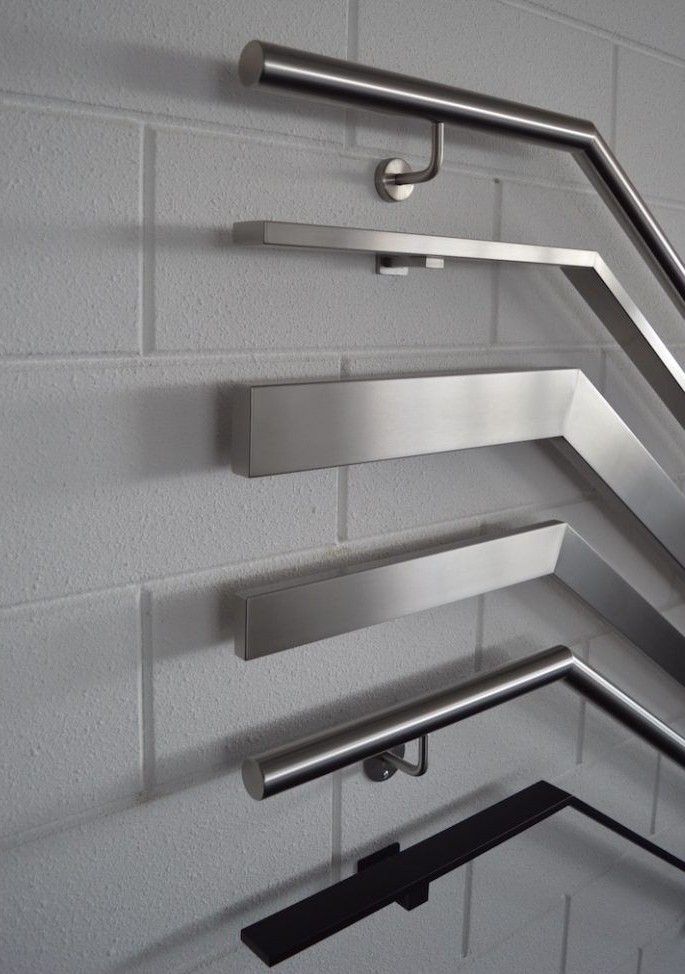
304 and 316 look identical, weld the same way, and are priced within the same conversation — which is exactly why buyers get confused about which one to specify. The difference comes down to one added element and where your project sits.
The core difference: molybdenum
316 stainless steel contains molybdenum, which 304 doesn't. Molybdenum significantly improves resistance to chlorides — the salts found in coastal air, de-icing salt, and some industrial and cleaning environments. Structurally and in day-to-day handling, the two grades behave almost identically.
Where each grade holds up
| Environment | Recommended grade | Why |
|---|---|---|
| Indoor railing, staircase, interior fixture | 304 | No chloride exposure; 304's standard resistance is sufficient |
| Balcony, terrace, outdoor gate (inland city like Jaipur) | 304, upgrade to 316 for premium/long-term jobs | Rain exposure is the main risk; 304 generally performs well inland |
| Coastal property, poolside, industrial/chemical exposure | 316 | Chloride and pitting resistance genuinely matters here |
| Kitchen counters, food-contact surfaces | 304 (or 316 for heavy commercial use) | 304 is the standard for most food-grade fabrication |
Does it matter for an inland city like Jaipur?
For most inland projects, 304 offers ample corrosion resistance at a lower material cost than 316 — that's the honest, practical answer for the large majority of railing and fabrication work we do. The case for 316 in Jaipur is usually about longevity and finish retention on premium outdoor installations, not corrosion failure risk, since we're not dealing with coastal salt air.
Cost difference in practice
316 typically costs more than 304 for the same size and finish, because of the added molybdenum and generally tighter supply. For a full railing run, that difference adds up — which is why it's worth having the grade conversation explicitly rather than defaulting to "premium sounds better."
What to tell your supplier
Describe the environment, not just the product: "outdoor balcony railing, gets direct rain" gives a supplier more to work with than "I want good quality steel." At Steel Trust we ask this before quoting staircase railings or pipe and tube orders, precisely so you're not over- or under-specifying.
FAQs
Can I tell 304 and 316 apart by looking at them?
No — visually and to the touch they're indistinguishable. The difference only shows up in a certificate or over years of exposure.
Is 316 worth it for a Jaipur balcony railing?
For most inland balconies, 304 performs well. 316 is a reasonable upgrade for premium, long-horizon installations, but it's not a corrosion-failure risk to use 304 in typical inland conditions.
Which grade do you recommend by default?
304 for indoor and typical inland outdoor work; 316 when you specifically want the extra margin for a premium or exposed installation.