The maintenance gap
Wrought iron rusts if the paint or coating is ever breached, and needs periodic repainting to stay protected — stainless steel doesn't carry a coating that can fail in the first place, since its corrosion resistance is built into the alloy itself (see our corrosion resistance guide).
Where wrought iron still wins
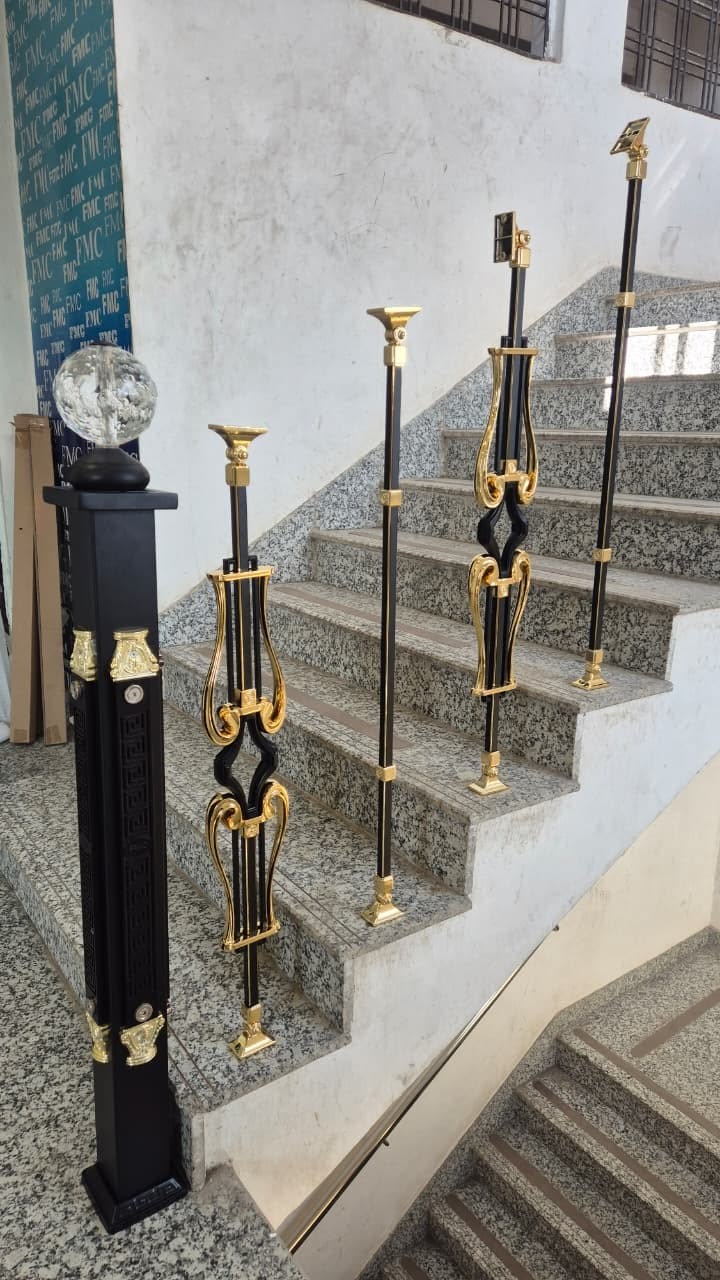
Wrought iron genuinely allows finer, more ornate scrollwork through traditional blacksmithing techniques than most stainless fabrication approaches — if a heritage or period-specific aesthetic is the priority, wrought iron remains a legitimate choice despite the higher maintenance burden.
Weight and installation
Wrought iron is considerably heavier than an equivalent stainless steel section, which can matter for structures with limited load-bearing capacity — stainless achieves comparable strength at less weight.
Long-term cost
Wrought iron's lower upfront cost is often offset within a decade by repainting and rust-repair costs — stainless steel's higher initial price is largely a one-time cost, not a recurring one.
Our honest take
For genuine heritage restoration work, wrought iron has its place. For nearly everything else — modern homes, commercial buildings, anything that needs to look good with minimal upkeep — stainless steel is the more practical choice, which is why it's what we fabricate.