Grip is the priority, not looks
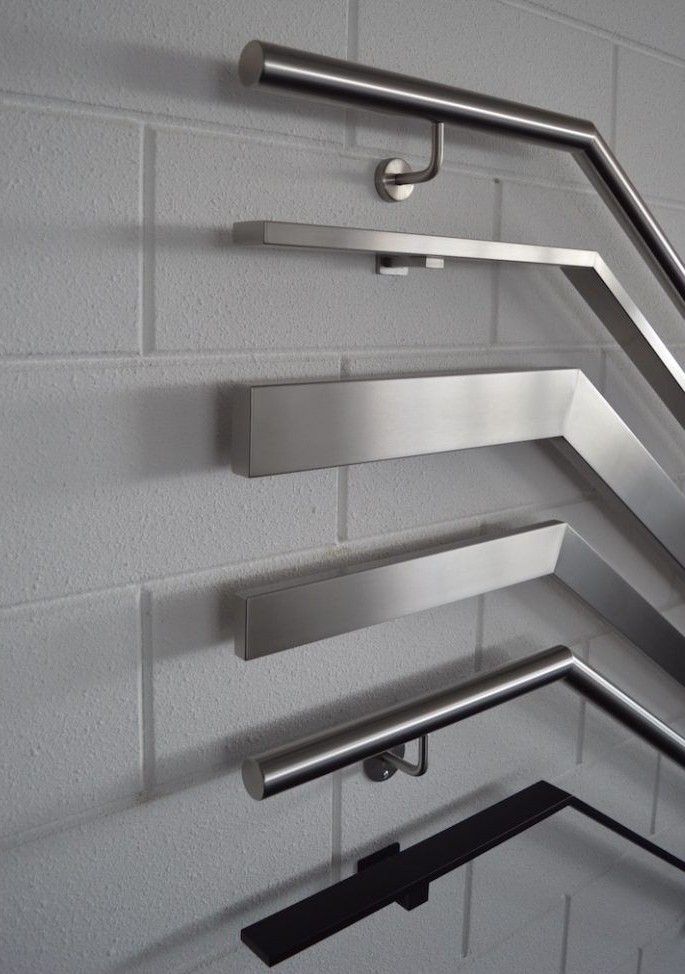
A handrail someone genuinely leans their weight on needs a diameter that fits a closing hand comfortably — see our ergonomics guide. Oversized square or flat-profile rails may look striking but are noticeably harder to grip securely.
Continuity matters
A handrail that stops short of the top or bottom step leaves someone unsupported exactly where falls most often happen. Continuous rails that extend slightly past the last step are a meaningful safety improvement, not a detail to value-engineer away.
Both sides where possible
Handrails on both sides of a staircase help users who have strength on only one side — a genuinely useful provision in a multi-generational home, and one that's much cheaper to include at fabrication stage than to add later.
Grab bars in bathrooms
Bathroom grab bars need fixing into solid structure, not just tile — the fixing substrate matters as much as the bar itself. Tell your fabricator where they're going so mounting can be planned properly.
Finish considerations
Matte and brushed finishes offer better grip than polished mirror surfaces, especially when hands are damp — a practical reason to favour them here regardless of aesthetic preference.